Why Communication Friendly Settings matter
Every child deserves the chance to communicate, connect and thrive in school - but for those with speech, language and communication needs (SLCN), this can be a daily struggle. When these needs go unnoticed or unsupported, they can affect everything from behaviour and learning to relationships and self-esteem.
That’s why Elklan’s Communication Friendly Settings (CFS) programme exists. It empowers schools and settings to build a shared understanding of communication, helping staff spot signs early, adapt environments and make everyday interactions more supportive. This isn’t just about specialist interventions - it’s about whole-school approaches that work for every child.
One learner, Shakera Ema, recently completed our CFS programme and shared a powerful reflection on how it changed the way she sees and supports children. Her story shows just how far a practitioner can grow when equipped with the right tools and insight.

Before the course: supporting what we can see
Before joining the course, Shakera had a strong commitment to supporting children’s learning and behaviour. But like many practitioners, she didn’t always feel confident in identifying what lay beneath the surface.
“I often focused on managing visible behaviours without considering whether communication difficulties might be the root cause.”
Her approach was more general - she understood that communication was important, but didn’t have a clear structure for identifying where a child might be struggling, or what to do next.
She also acknowledged that subtle signs of SLCN often passed her by, meaning some children missed out on timely support.
New tools, new thinking: the Communication Chain
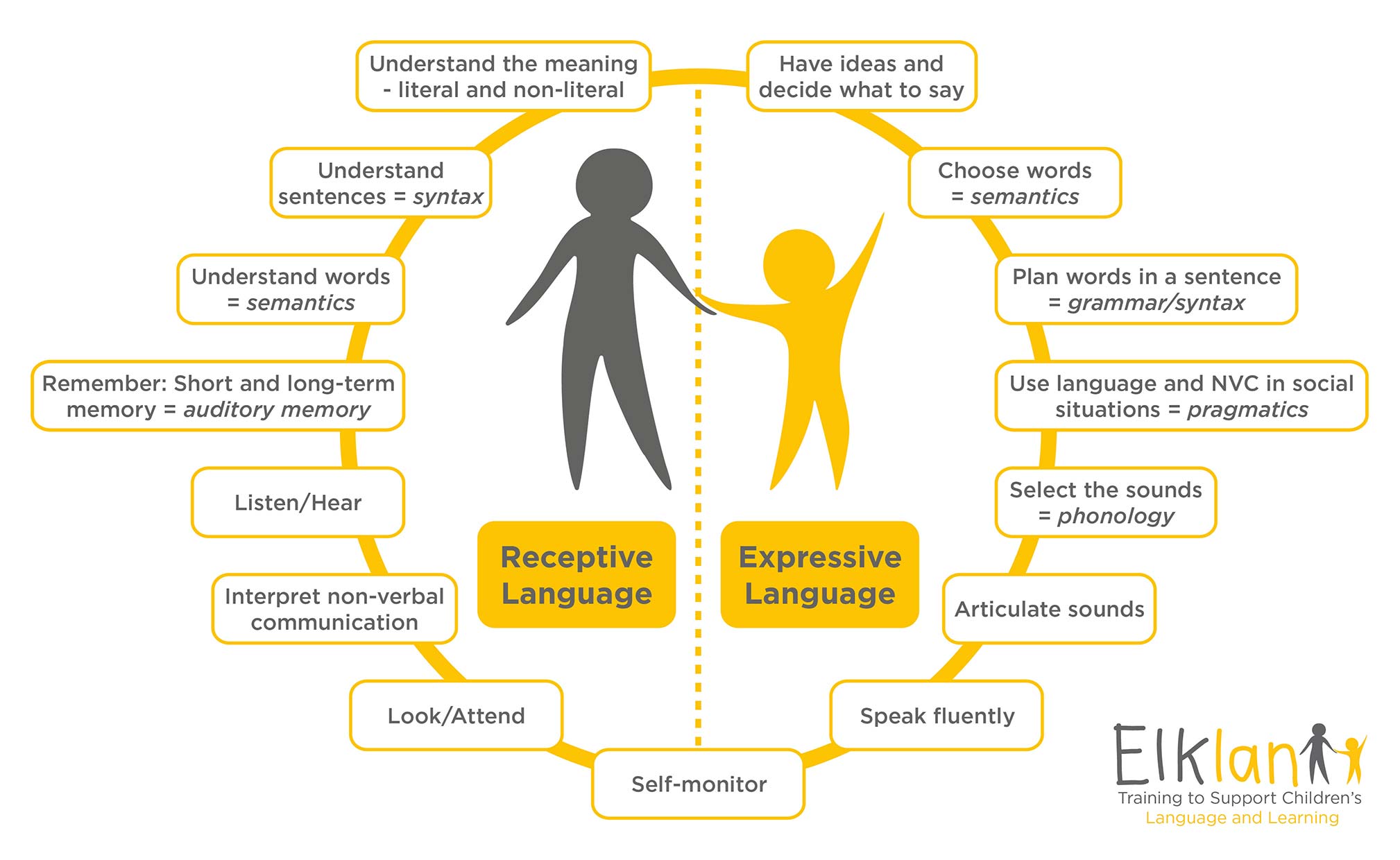
Everything changed when Shakera was introduced to the Communication Chain - a simple yet powerful framework that breaks communication into interconnected building blocks: attention, listening, understanding and expression.
“Learning about the Communication Chain has been eye-opening... it helped me assess where a child might be struggling and apply more targeted strategies.”
This structure gave her a clearer way to pinpoint need and respond intentionally. Where she had once felt unsure, she now had a map.
From behaviour to understanding: the whole child approach
Alongside the Communication Chain, Shakera also learned to use the Communication Profile - a tool that looks at the child’s communication strengths and needs across different areas.
This prompted a major shift in thinking. Instead of focusing on one behaviour or one task, she began thinking about the whole child - how challenges in one area could ripple into social, emotional and academic development.
She also adopted practical changes in her daily interactions:
- Giving children more time to process language
- Using visual supports
- Breaking down instructions into manageable chunks
These were small changes - but they made a big difference.
The outcome: more confident, more effective
By the end of the course, Shakera’s practice had transformed.
“My practice has become more informed and intentional. I’m now better able to meet the unique communication needs of the children I work with, leading to positive outcomes in their learning, behaviour, and emotional development.”
She felt confident identifying SLCN, empowered to intervene early, and equipped to create an environment where communication was not just expected - but supported.
Final reflections: the power of professional learning
Shakera’s journey is a brilliant example of the impact a Communication Friendly Setting can have - not just for children, but for the adults supporting them. When staff are given the tools to reflect, rethink and respond, the effects are immediate and lasting.
Creating a communication friendly culture doesn’t require big budgets or specialist resources. It starts with awareness, shared understanding, and small, consistent changes - like the ones Shakera made.
Because when we look beyond the surface, we don’t just manage behaviour - we start to truly support communication.
Ready to make your setting more communication friendly?
Elklan’s Communication Friendly Settings programme helps schools and early years settings build confident, skilled teams who understand how to support every child’s communication.
👉 Find out more and register your interest here
Let’s create environments where every child feels heard.